
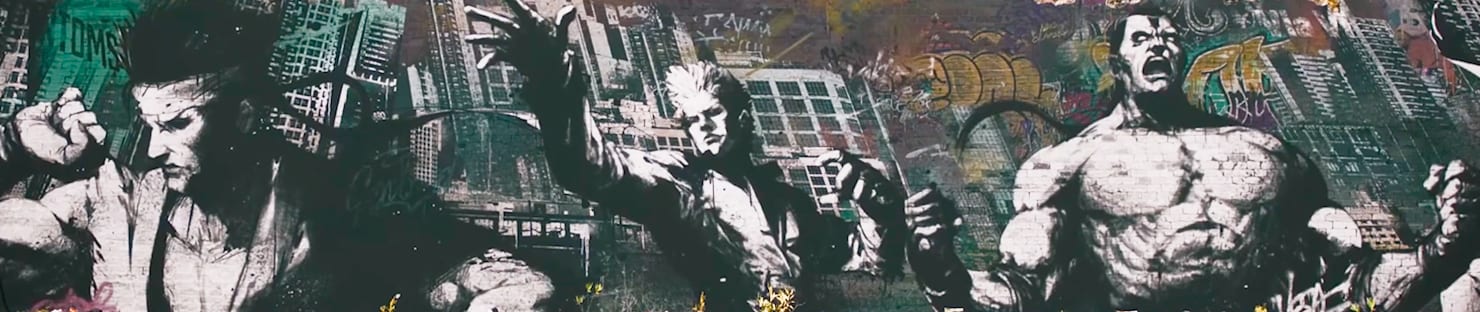

VIRTUA FIGHTER CROSSROADS producer Yamada explains why it isn't Virtua Fighter 6
Type: a detailed reconstruction of AUTOMATON WEST’s interview with VIRTUA FIGHTER CROSSROADS producer and creative director Riichiro Yamada.
Why Crossroads rather than Virtua Fighter 6
In an AUTOMATON WEST interview published on June 9, 2026, producer Riichiro Yamada explained why the game is not called Virtua Fighter 6 and why a console-first entry needs a single-player experience worthy of standing on its own.
The project was initially announced before its title was decided and was therefore called New VIRTUA FIGHTER Project.
People inside and outside SEGA loosely assumed it would eventually become Virtua Fighter 6.
Yamada strongly wanted to create something new rather than simply inherit the numbering.
Crossroads emerged as the name that best expressed the direction of the game, and the logo was completely redesigned to mark a major turning point.
Related: official title and 2027 release announcement
Making home consoles the main battleground
Because the game is primarily for home consoles rather than arcades, Yamada believed it would be pointless without a substantial single-player experience.
Virtua Fighter traditionally evolved around arcades, but reaching a broader audience required expanding the ways people could play.
Virtua Fighter 4’s Quest Mode was an earlier attempt and was well received overseas.
This time the goal goes beyond a single-player mode inside a fighting game: it should be enjoyable as a standalone single-player experience.
Competitive play is not being neglected, and the team is working thoroughly on both sides.
Why the Shenmue comparison felt meaningful
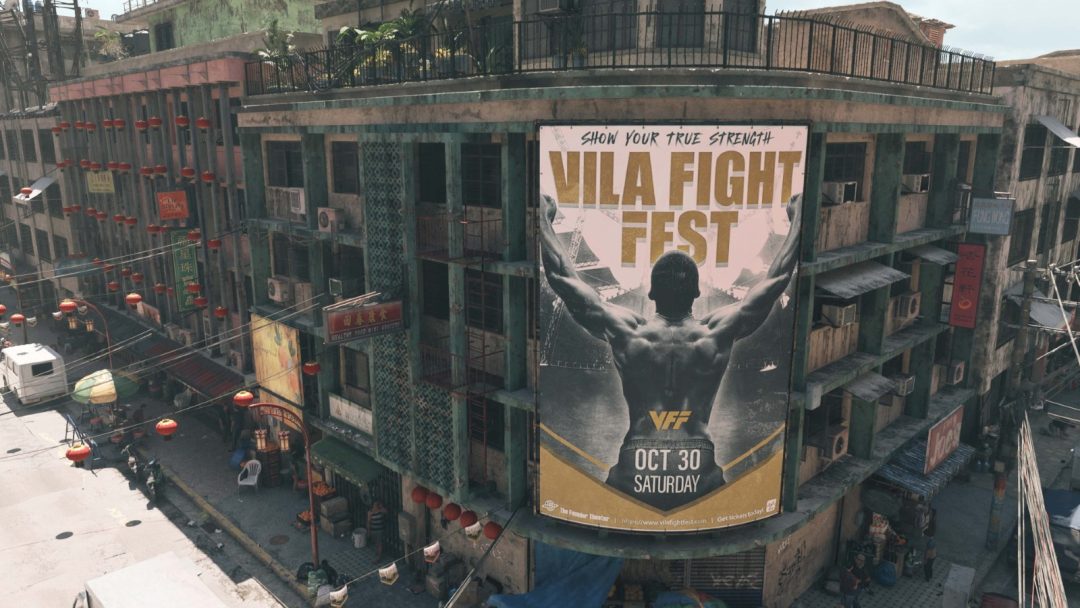
The city walking and street fights prompted comparisons with Like a Dragon and Shenmue.
Yamada wanted genuine new gameplay rather than a fighting game with a story attached.
Hearing the Shenmue comparison was emotionally meaningful, particularly because Shenmue began under the working title Virtua Fighter RPG.
The team is not reproducing Shenmue; Yamada attributed the comparison to the memorable experience, story, atmosphere and setting.
Legacy fighters changed by the passage of time
Legacy characters will appear, but not merely for the sake of cameos.
The team wants to show realistically how they lived during the long period that passed in the game world.
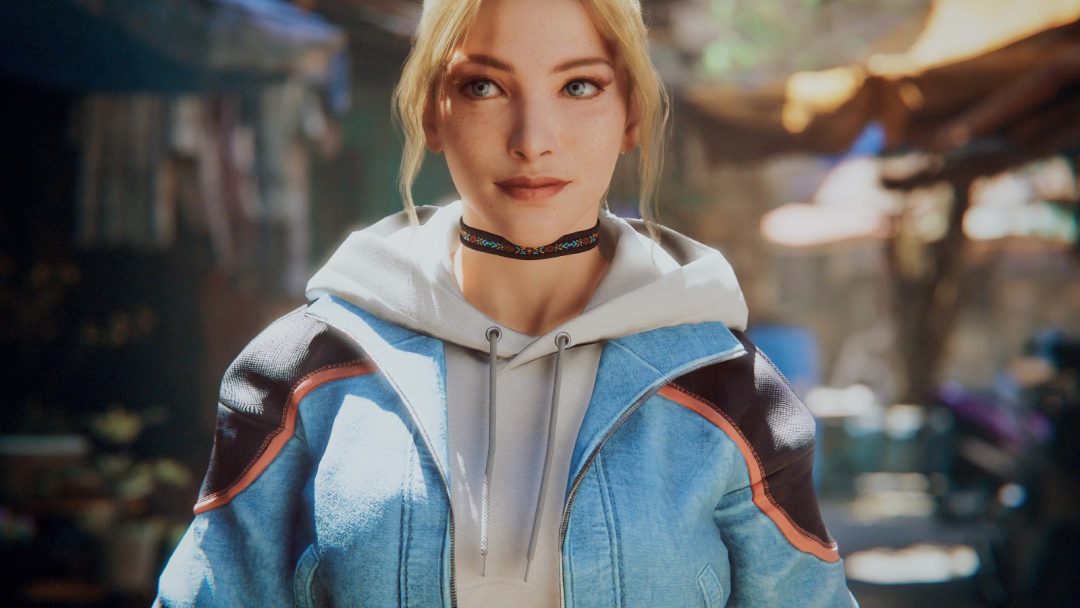
An older Pai Chan symbolizes this approach and the elapsed time most clearly.
Yamada felt it was the right moment to portray her as a cool, mature woman.
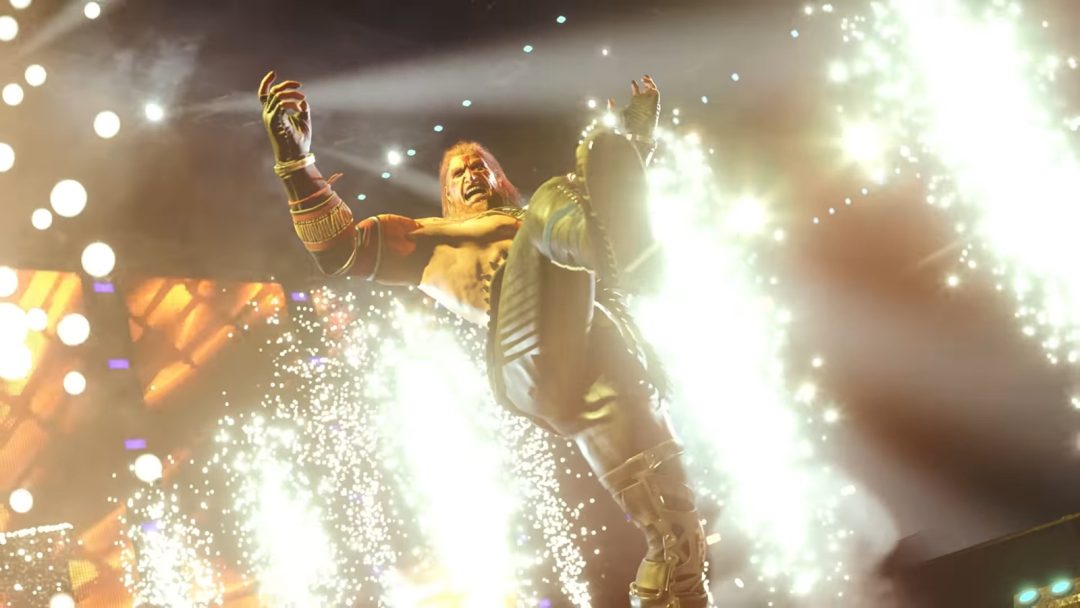
Wolf’s aged, rugged American-wrestler appearance also has a narrative explanation.
Because Virtua Fighter began by portraying martial arts realistically, Yamada believes its story and aging characters should pursue realism too.
Cielo is a boxing-rooted striking MMA fighter
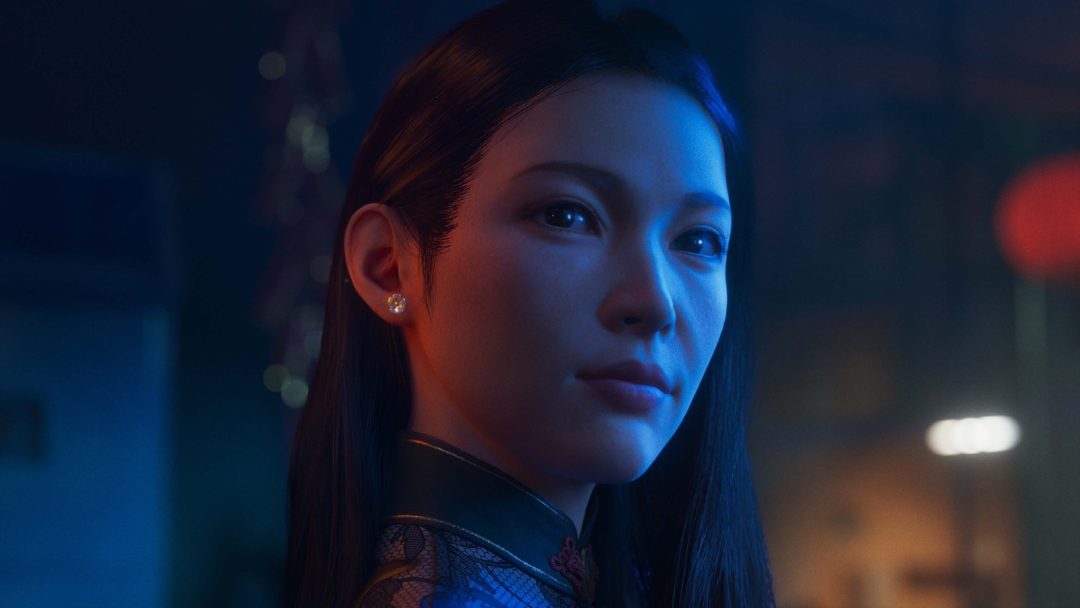
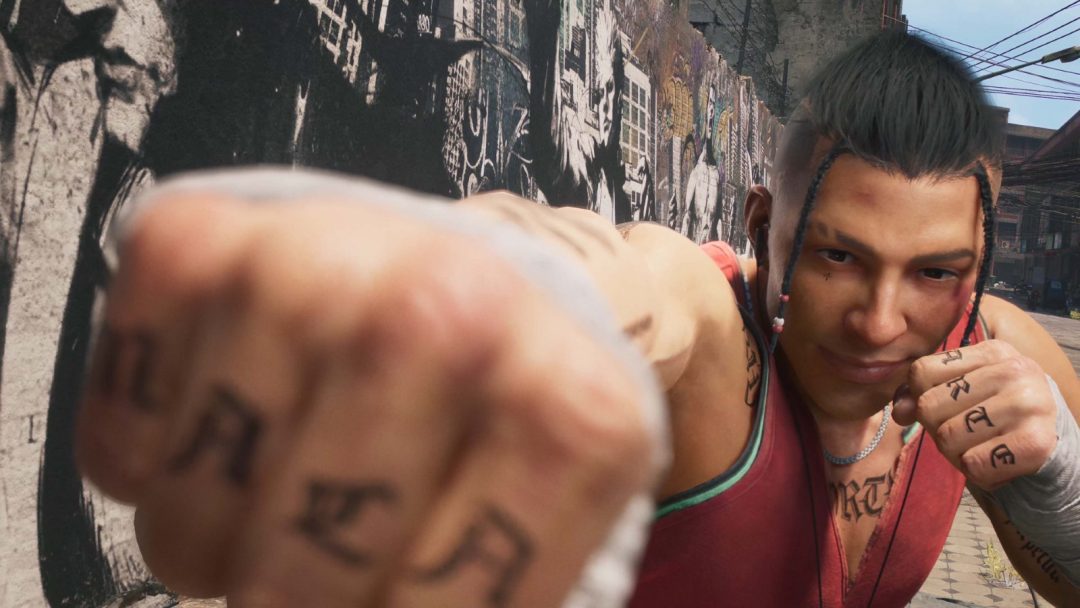
Cielo primarily uses striking-focused MMA rooted in boxing.
Earlier Virtua Fighter fighters often reflected the series’ strong kung-fu-film and Chinese-martial-arts influences.
The team wanted its protagonist to use a more contemporary style and therefore combined boxing with MMA.
All four protagonists are playable in versus modes.
Players are intended to meet them through the story and carry them directly into competitive play, using knowledge learned in single-player.
Why Vilasapara is in Southeast Asia
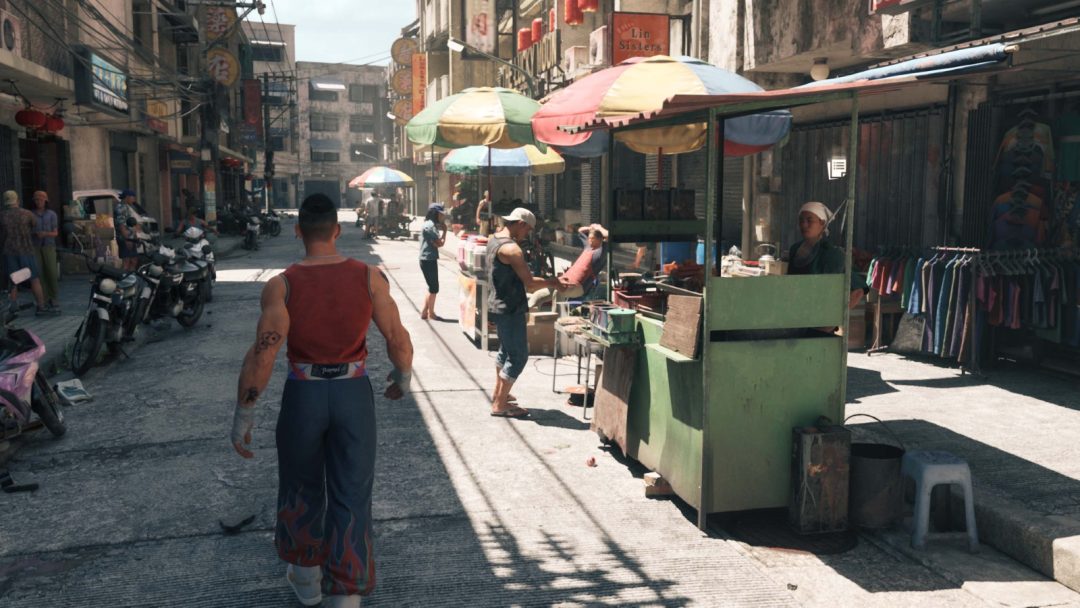
Japanese cities had already appeared repeatedly in Like a Dragon and could feel visually sterile because of their dense buildings.
Yamada wanted a multinational atmosphere and a distinctive energy.
Europe or North America risked lacking authenticity from the team’s perspective, so Southeast Asia was the most appropriate and feasible choice.
His memories of visiting Thailand as a student also influenced the decision.
The region’s energetic streets and mix of cultures matched the game’s worldview and realism.
Vilasapara and its island are large, with several substantial districts compared in scale to Kamurocho.
Even the main story is expected to provide considerable playtime.
Related: protagonists, city exploration and combat structure from the SHOWCASE
Crossroads Style beyond following a fixed story
Crossroads Style is the team’s name for gameplay that does more than follow a predetermined story.
Yamada could not reveal specifics, but said various mechanics had been refined and the final direction was largely settled.
Story and versus controls and basic rules are intended to remain fundamentally the same.
The campaign may include unique adjustments, but the goal is one connected experience rather than two separate games.
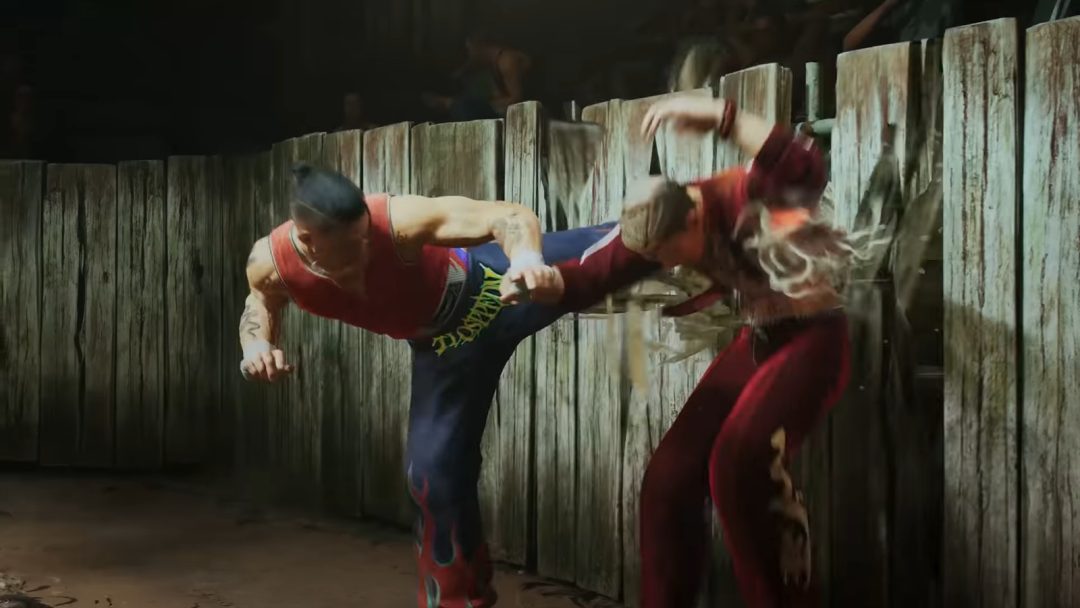
International writers selected through a blind audition
The team wanted to move away from styles commonly associated with Japanese anime and manga and pursue the realism of overseas films and dramas.
International perspectives were considered especially suitable for Cielo’s complex background.
Around ten candidates entered a writing audition, and the submissions were reviewed anonymously.
Brad Kane’s script stood out on writing alone; only afterward did the team learn he was the writer associated with Ghost of Tsushima and As Dusk Falls.
David Hayter’s Hollywood perspective and flair led the team to invite him to collaborate with Brad.
How Yamada, Furuta, Brad, David and Yamamoto collaborated
Yamada built the world, while David Hayter provided international feedback on how overseas audiences might receive its concepts and tone.
Yamada and Tsuyoshi Furuta led the major character backgrounds and plot structure.
Brad Kane then handled the scenario writing, although everyone continued exchanging suggestions rather than working in sealed-off roles.
Shinji Yamamoto joined later and helped deepen the protagonists and test whether players could empathize with them.
The team maintained defined roles and a flat exchange of ideas instead of relying on one genius, with Yamada making the final call when agreement was impossible.
Rebuilding combat while preserving three-button intuition
Yamada described the immediate satisfaction of pressing punch and seeing a natural punch emerge as a core Virtua Fighter quality.
Simple, understandable and intuitive play has defined the series since the first game.
The principle that anyone can pick it up and play instinctively remains important.
Elements that became complex over the series’ evolution are being rebuilt, reorganized and sometimes replaced.
The goal is to rediscover Virtua Fighter’s simple-yet-deep identity while pursuing what is most fun.
Changes that must be explained before Uprising
The SHOWCASE did not add details about the previously announced Uprising rule.
Yamada said the overall Crossroads battle system is undergoing major revisions and evolution that must be organized and explained first.
Once players understand that foundation, the team plans to reveal more about Uprising.
Specific Crossroads Style mechanics, a full battle-system change list, final Uprising rules and launch platforms were not confirmed in the interview.
Original interview